
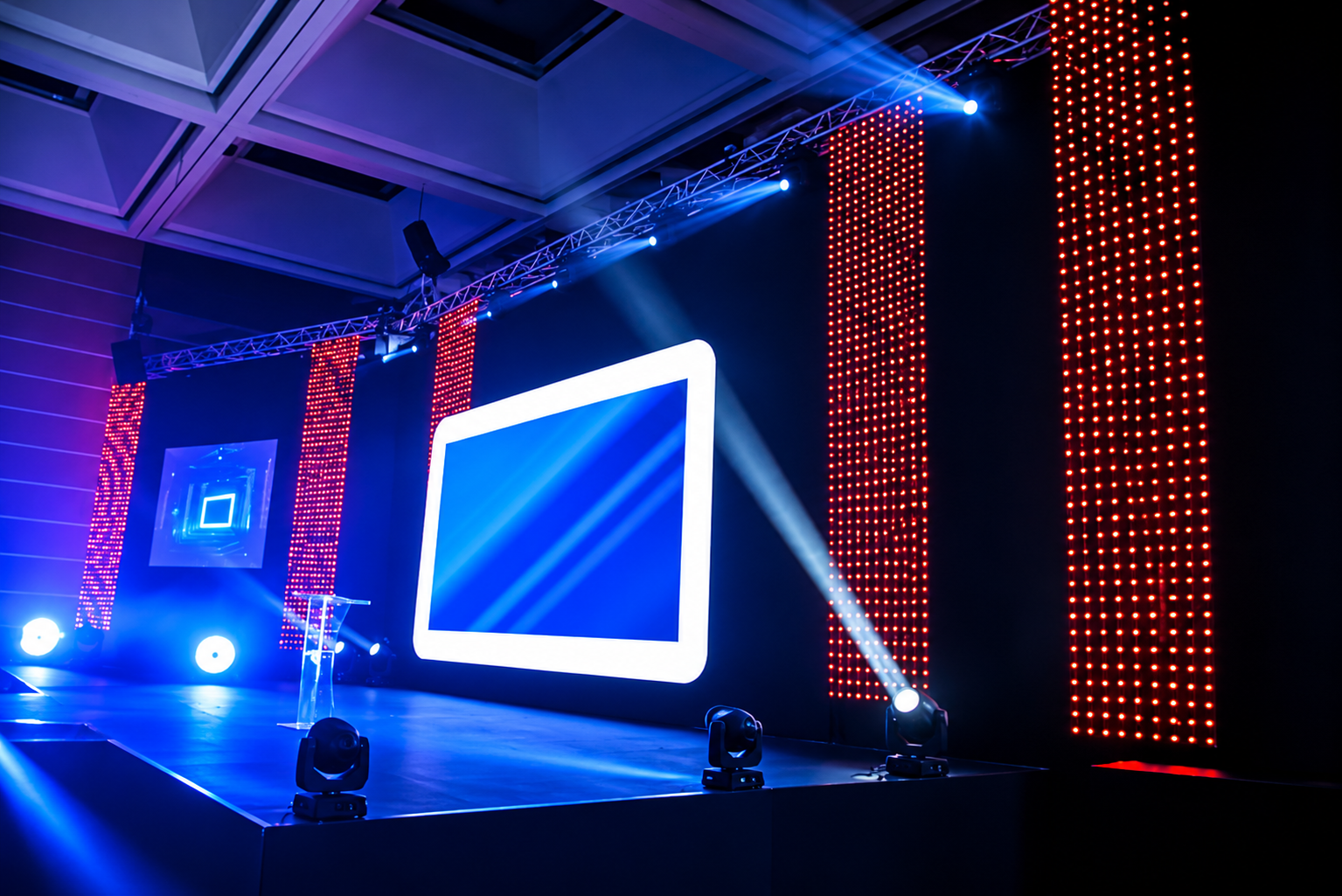
Planning a successful event involves more than choosing the right venue, preparing presentations and coordinating speakers. Event organisers must also ensure that every attendee can see the content clearly, regardless of where they are seated. In large Brisbane venues, this can be challenging because of long viewing distances, wide seating arrangements, high ceilings and changing lighting conditions. Choosing the right led screen hire for events helps create a more engaging and accessible experience for conferences, corporate presentations, exhibitions and live events.
For event planners and conference organisers, screen visibility should be considered early in the planning process. Screen dimensions, resolution, placement, viewing angles and the venue layout all influence how effectively information reaches the audience. With support from Sublime Audio Visual, organisers can plan an audiovisual setup that suits the event format, venue characteristics and audience requirements.
This guide explains how to plan LED screen visibility for large Brisbane venues, avoid common setup challenges, and make informed decisions when arranging event audiovisual equipment.
Why LED Screen Visibility Matters at Large Events
In a small meeting room, a standard display may be sufficient for presenting slides or sharing information. However, larger venues require a more carefully planned visual solution. Attendees seated at the back or sides of a conference room must be able to read presentation text, recognise visual details and follow what is happening on stage.
LED screens can support a wide range of event applications, including keynote presentations, panel discussions, product launches, award ceremonies, exhibitions, and company meetings. Their effectiveness depends on selecting equipment and positioning it appropriately for the space.
Poor visibility can lead to several problems:
Attendees struggle to read presentation slides or supporting
Important information becomes difficult to follow from distant seats.
People seated at the sides experience restricted viewing angles.
Speakers and visual content compete for attention because of poor screen placement.
Event organisers need to make last-minute adjustments that disrupt rehearsals.
A well-planned LED display helps maintain visual consistency throughout the venue. It also supports a more professional event environment by ensuring that branding, presentation content and live visuals remain clear and appropriately positioned.
Assessing the Venue Before Choosing an LED Screen
The first step in arranging LED screen hire for events is understanding the venue. Screen requirements for a hotel conference room will differ from those for a large convention space, exhibition hall or auditorium.
Before selecting equipment, review the room dimensions, audience capacity, seating configuration and stage layout. These details help determine how large the screen needs to be and where it should be positioned.
Measure the Room and Viewing Distance
The distance between the screen and the furthest attendee is one of the most important considerations. A display that looks impressive near the stage may not provide enough detail for people seated at the back of a large venue.
Event planners should assess:
The distance between the screen and the last row of seating.
The width of the audience area and the number of seats across each row.
The height of the stage and the available screen mounting space.
Any pillars, suspended equipment or architectural features that obstruct sightlines.
Whether the audience will remain seated or move around during the event.
A venue floor plan can help identify potential visibility problems before equipment is installed. If possible, review the room in person and test sightlines from different seating positions.
Consider the Event Format and Audience Size
The intended use of the screen also affects the equipment requirements. A conference focused on detailed presentation slides may need a different setup from a product launch featuring promotional videos and dynamic graphics.
For example, a corporate conference may require text to remain readable across the room, while an exhibition may need bright, attention-grabbing visuals that attract visitors from multiple directions.
Understanding these requirements helps event organisers choose a display configuration that supports the purpose of the event rather than simply filling the available stage space.
Choosing the Right LED Screen Size for Large Venues
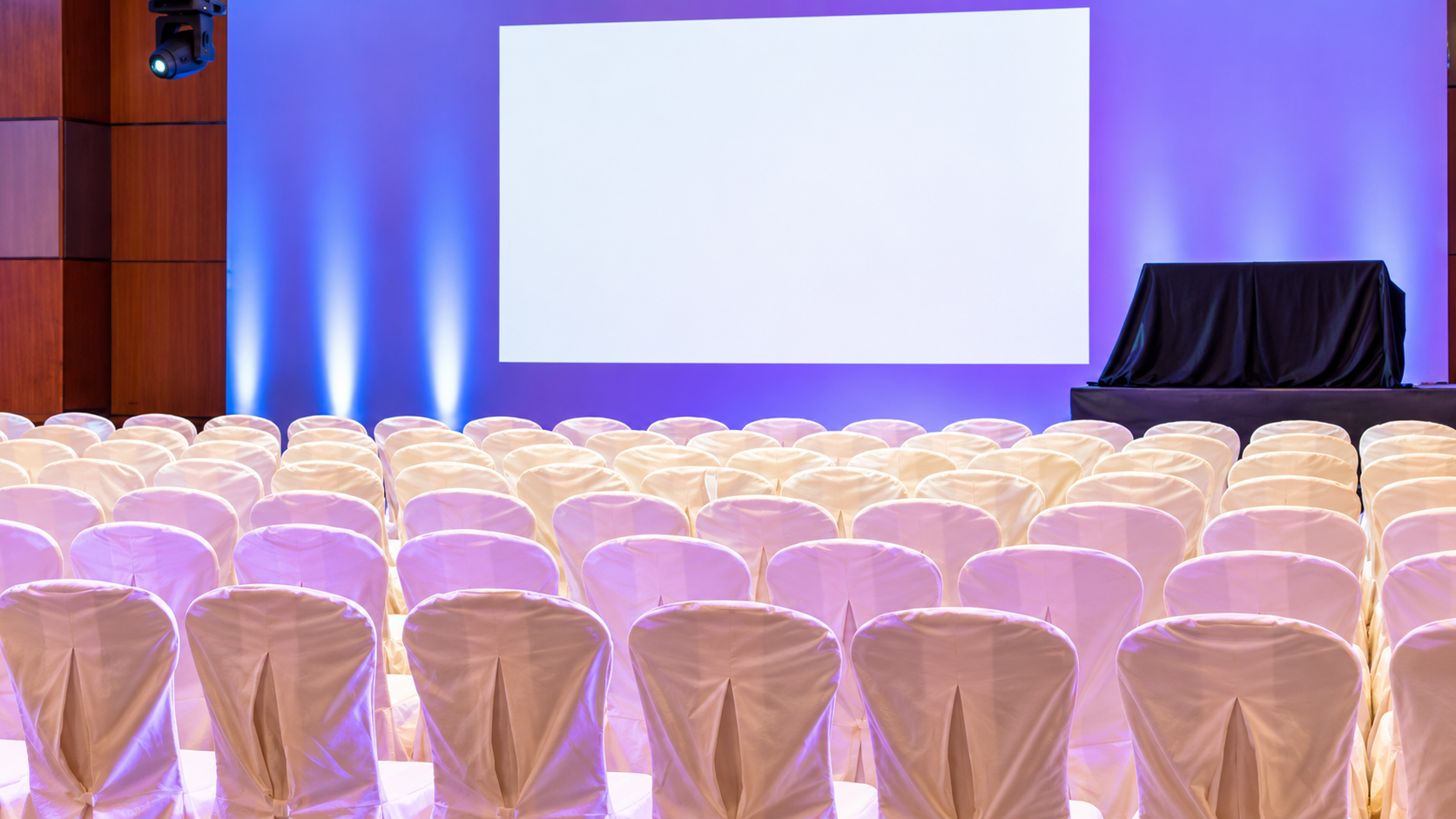
Screen size directly influences how easily an audience can view event content. However, selecting the largest available display is not always the best solution. The screen must be proportionate to the stage, suitable for the viewing distance and positioned without overwhelming speakers or other stage elements.
When planning large LED screen hire, consider both the physical dimensions of the display and the type of content it will show.
Match Screen Dimensions to Viewing Distance
A larger venue generally requires a larger display or multiple screens to maintain visibility across the audience area. However, the ideal dimensions depend on the venue layout, screen resolution and viewing requirements.
Presentation slides containing small text, charts or detailed diagrams require particular attention. If the display is too small for the viewing distance, attendees may see the overall presentation but struggle to understand the details. For more guidance on selecting the right display for your venue, read our blog on how to choose the right LED screen size for your event audience, which explains how audience size, viewing distance and venue layout influence screen selection.
The following table provides a starting point for planning. These are general considerations rather than fixed screen-size specifications.
| Venue or event type | Key visibility consideration | Potential screen approach |
|---|---|---|
| Small corporate meeting | Clear text for a nearby audience | Compact LED display or suitable presentation screen |
| Medium conference room | Visibility across several seating rows | Medium-sized display positioned for central viewing |
| Large conference venue | Long viewing distances and wide seating | Large LED display with carefully planned placement |
| Exhibition hall | Visibility from multiple directions | Large display or multiple strategically positioned screens |
| Auditorium or theatre | Clear visuals from rear and side seating | Main stage display with supplementary screens where appropriate |
The final configuration should be determined after reviewing the venue, content and audience arrangement.
Consider Resolution and Pixel Pitch
Physical screen size is only one part of the decision. Resolution and pixel pitch also influence how clearly content appears.
Pixel pitch refers to the distance between the centres of adjacent pixels on an LED display. A smaller pixel pitch generally supports finer image detail at closer viewing distances, while the appropriate specification for a larger venue depends on how far the audience will be from the screen.
Event organisers should consider the following:
Presentation content: Text, spreadsheets and detailed graphics may require finer image detail.
Viewing distance: Attendees seated close to the display may notice pixel structure more readily.
Video playback: Promotional videos and live visuals should appear clear at the intended viewing distance.
Content design: Larger text, strong contrast and simple layouts can improve readability.
Discussing these factors with an audiovisual provider helps ensure the screen specification suits the event instead of relying on physical dimensions alone. Explore our latest blogs for more insights into event audiovisual planning, LED screen technology and creating engaging experiences for your audience.
Planning Screen Placement for Maximum Visibility
Even a suitable LED screen can perform poorly if it is positioned incorrectly. Placement affects sightlines, viewing angles, stage balance and the audience's ability to follow presentations without obstruction.
For large Brisbane venues, screen placement should be included in the event layout before staging and seating arrangements are finalised.
Position the Main Screen Around Audience Sightlines
A centrally positioned screen can provide a clear focal point for many conference formats. However, a wide room or an audience spread across several sections may require additional displays.
The main screen should be positioned so that speakers, stage equipment and decorative elements do not unnecessarily block the content. Its height should also allow attendees to see the screen comfortably without having to look around other people for extended periods.
When planning placement, consider:
The relationship between the screen, stage and speaker positions.
The angle at which attendees view the display from each seating section.
The height of the screen relative to seated and standing audiences.
The position of lighting fixtures, speakers and other production equipment.
Safe access for installation, operation and maintenance.
A venue diagram showing the stage, screen, seating and technical equipment can help the production team identify potential issues before installation begins.
When Should You Consider Multiple Screens?
A single large display may be sufficient for a compact venue, but wider rooms and large audiences can make visibility more difficult. Supplementary screens may help attendees seated at the far sides or rear of the venue follow presentations more easily.
Multiple screens can be useful for conferences with extensive seating, award ceremonies, panel discussions and events where guests need to see both the stage and presentation content.
However, additional displays should be positioned with care. Poorly coordinated screens can create inconsistent viewing experiences or distract from the main stage. Content, image proportions and playback should be planned together to create a consistent presentation across the venue.
Conclusion: Plan Better Event Visibility With Sublime Audio Visual
Successful LED screen planning begins with understanding the venue, the audience and the content that needs to be displayed. Screen size, pixel pitch, viewing distance, placement, lighting and presentation design all contribute to a clear and engaging experience.
For conference organisers and event planners, led screen hire for events should be part of the wider production plan from the beginning. Reviewing venue layouts, testing sightlines and coordinating technical requirements can help prevent visibility problems and support a professional event.
Sublime Audio Visual can help event organisers consider their LED display requirements alongside their broader audiovisual needs. Whether you are preparing a corporate conference, exhibition, product launch or large venue presentation, planning makes it easier to identify an appropriate screen configuration.
If you are organising an upcoming event in Brisbane, contact us to discuss your venue, audience size, presentation requirements and LED screen hire needs. A well-planned audiovisual setup can help ensure your content reaches the audience clearly and effectively.
Frequently Asked Questions
-
LED screen hire for events involves arranging LED display equipment for temporary use at conferences, corporate functions, exhibitions, product launches and other gatherings. The screen configuration is selected according to the venue, audience size, content, and viewing requirements.
-
Start by assessing the venue dimensions, maximum viewing distance, audience seating arrangement, and type of content being displayed. Screen resolution and pixel pitch should also be considered to ensure that text, images and videos remain clear for attendees throughout the venue.
-
Yes. LED displays can support keynote presentations, panel discussions, corporate meetings and conferences in Brisbane. The appropriate setup depends on the venue layout, lighting conditions, presentation requirements and audience size.
-
Multiple screens may be useful when the venue is particularly wide, the audience extends across several seating sections or attendees at the rear may struggle to view a single display. A venue assessment can help determine whether supplementary screens would improve visibility.
-
Prepare the venue floor plan, expected audience numbers, event schedule, stage layout and details of the content you intend to display. It is also helpful to identify presentation equipment, video playback requirements, lighting conditions and the time available for installation and testing. Sharing these details with your audiovisual provider supports more effective planning.