
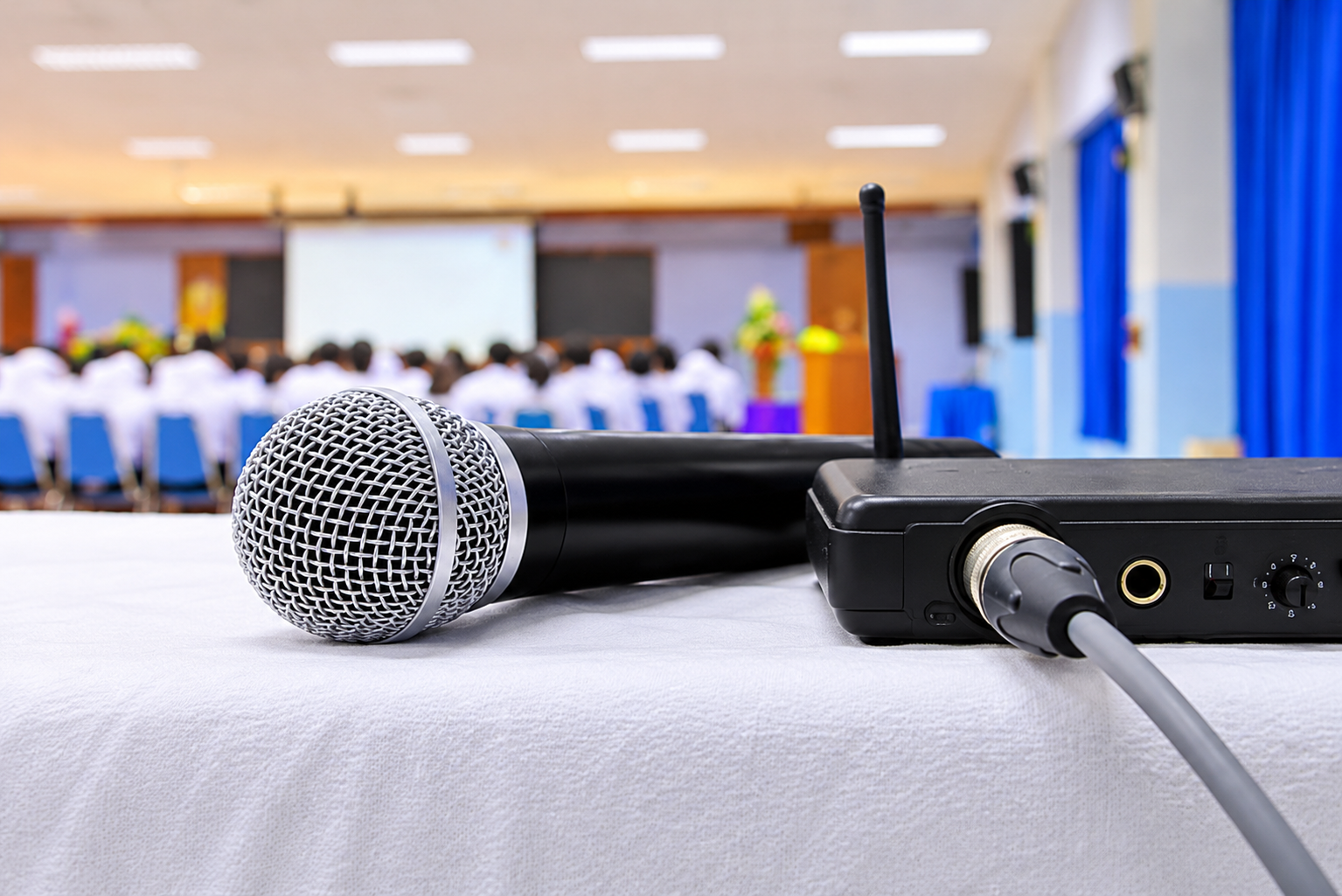
Clear audio is one of the most important parts of a successful event. Whether you are organising a corporate conference, business presentation, product launch, or private function, speakers need reliable microphones to communicate with their audience. Choosing the right microphone format can improve sound quality, support speaker movement, and make presentations more engaging.
However, not every microphone suits every event. Some presenters prefer holding a microphone while speaking, while others need their hands free for demonstrations, presentations, or interactive sessions. The size of the venue, number of speakers, and format of the event also influence the equipment required.
With professional wireless microphone hire, event organisers can choose equipment that matches their presentation style and technical requirements. Sublime Audio Visual provides professional audio and visual equipment hiring across Brisbane helping organisers create well-coordinated event setups.
Why Does Microphone Selection Matter at Events?
A microphone does more than make someone's voice louder. It helps ensure that spoken information reaches the audience clearly and consistently. Poor microphone selection can make presentations difficult to follow, particularly in large venues or rooms with background noise.
For corporate events, clear communication is essential. Speakers may need to deliver presentations, answer questions, participate in panel discussions, or interact with attendees. The microphone should support these activities without creating unnecessary distractions.
The right microphone can help with:
Clear communication: Ensures the audience can hear speakers throughout the presentation.
Speaker mobility: Allows presenters to move around the stage or venue when required.
Professional presentation: Provides a suitable appearance for formal and corporate occasions.
Audience engagement: Makes discussions, demonstrations, and interactive sessions easier to manage.
Flexible event arrangements: Supports different speaking styles and presentation formats.
Choosing equipment based on the event format also helps the technical team prepare the correct audio setup before attendees arrive.
What Are the Main Types of Wireless Microphones?
Wireless microphones generally allow speakers to communicate without being physically connected to the audio system through a microphone cable. They use a transmitter and receiver to send audio signals to the sound system.
Three common formats are handheld, lapel, and headset microphones. Each has different advantages depending on how the speaker will use it.
1. Handheld Microphones
Handheld microphones are among the most familiar options for events. Speakers hold the microphone while talking, making it easy to control the distance between their mouth and the microphone.
They are particularly useful for situations where different people need to speak throughout the event.
Best suited for:
Keynote presentations
Award ceremonies
Wedding speeches
Question-and-answer sessions
Panel discussions
Event hosts and MCs
A handheld microphone is also practical when speakers need to pass the microphone between participants. For example, during a question-and-answer session, an event organiser can provide the microphone to audience members when they want to contribute.
However, speakers need to keep the microphone at a suitable distance while talking. They must also remember to hold it throughout their presentation.
For organisers looking for handheld microphone hire in Brisbane, the most suitable option depends on the number of speakers, venue layout and sound requirements.
2. Lapel Microphones
Lapel microphones, also known as lavalier microphones, are small microphones that attach to a speaker's clothing. They are usually connected to a wireless bodypack transmitter, allowing presenters to speak without holding a microphone.
Their discreet appearance makes them popular for professional presentations, interviews, and video-based productions.
Best suited for:
Corporate presentations
Interviews
Training sessions
Product demonstrations
Video presentations
Speakers using presentation materials
One of the main advantages is convenience. Presenters can use their hands to operate equipment, display products, or move through presentation slides.
However, placement is important. The microphone should be positioned correctly to capture the speaker's voice without picking up excessive clothing noise. Organisers should also consider clothing styles and movement when selecting this format.
3. Headset Microphones
Headset microphones fit around the speaker's head, positioning the microphone close to their mouth. Unlike lapel microphones, they maintain a more consistent position even when the presenter moves around.
This format is useful for energetic presentations and situations where speakers need complete freedom to use their hands.
Best suited for:
Fitness demonstrations
Training workshops
Interactive presentations
Live performances
Educational sessions
Presenters who move frequently
Headset microphones can help maintain consistent audio levels when speakers turn their heads or move across a stage. They are particularly useful for presenters who regularly demonstrate products or use visual materials while speaking.
The main consideration is comfort and appearance. The headset should fit securely without distracting the presenter or interfering with their presentation.
Which Microphone Is Best for Different Event Formats?
The event format should be one of the first things organisers consider when planning their audio equipment.
Corporate Conferences
Corporate conferences often include keynote speakers, panel discussions, audience questions, and presentations. These different activities may require more than one microphone format.
A handheld microphone works well for keynote speakers and audience questions, while lapel or headset options can support presenters who need to move around.
The audio setup should also consider the venue size, seating arrangement, and number of participants.
Business Presentations and Product Launches
Product launches often involve presenters introducing products, explaining features, and demonstrating equipment. A lapel or headset microphone allows speakers to move naturally while keeping their hands available.
Handheld microphones may also be useful for opening speeches and audience interactions.
If the presentation includes supporting visuals, organisers can coordinate the sound system with display equipment. For larger presentations, big screen hire for events can help ensure that product information, videos and presentation slides remain visible to the audience.
Weddings and Private Functions
Weddings and private celebrations usually involve several speakers, including hosts, family members, and guests.
Handheld microphones are often a practical choice because they can be passed between speakers. They also allow the event host to manage announcements and introductions.
For outdoor functions, organisers should consider the surrounding environment, speaker placement, and potential background noise when planning the audio system.
Training Sessions and Workshops
Training sessions often involve presenters explaining information, demonstrating processes and answering participant questions.
A headset or lapel microphone can support presenters who need to move around the room. Handheld microphones may be useful when participants need to contribute to group discussions.
The choice should reflect how interactive the session will be and whether speakers need to operate equipment while talking. Explore our other blogs for more helpful event planning tips and AV insights.
What Should You Consider Before Hiring Wireless Microphones?
Selecting a microphone involves more than choosing a particular style. Event organisers should consider several practical and technical factors before confirming their equipment requirements.
Number of Speakers
Start by identifying how many people will speak during the event. A single presenter may only require one microphone, while a conference with multiple speakers may need several microphones.
For panel discussions, consider whether participants will speak individually or at the same time. The audio system should support smooth transitions without unnecessary delays.
Venue Size and Layout
The venue influences how sound equipment should be arranged. A small meeting room has different audio requirements from a large conference hall or outdoor event space.
Consider the following:
Room dimensions and ceiling height.
Audience seating arrangements.
Stage position and speaker movement.
Distance between microphones and audio equipment.
Background noise and possible sound interference.
These details help the technical team determine suitable equipment and speaker placement.
Microphone Comfort
Presenters should feel comfortable using their microphones throughout the event. A handheld option may suit someone who prefers direct control, while a headset or lapel microphone may be more convenient for hands-free presentations.
It is also helpful to test microphone placement before the event begins.
Wireless Signal Reliability
Wireless systems need suitable frequency coordination and receiver placement to operate reliably. Other wireless equipment operating in the venue can sometimes create interference.
Professional setup and testing help identify potential issues before the presentation starts.
Technical Assistance
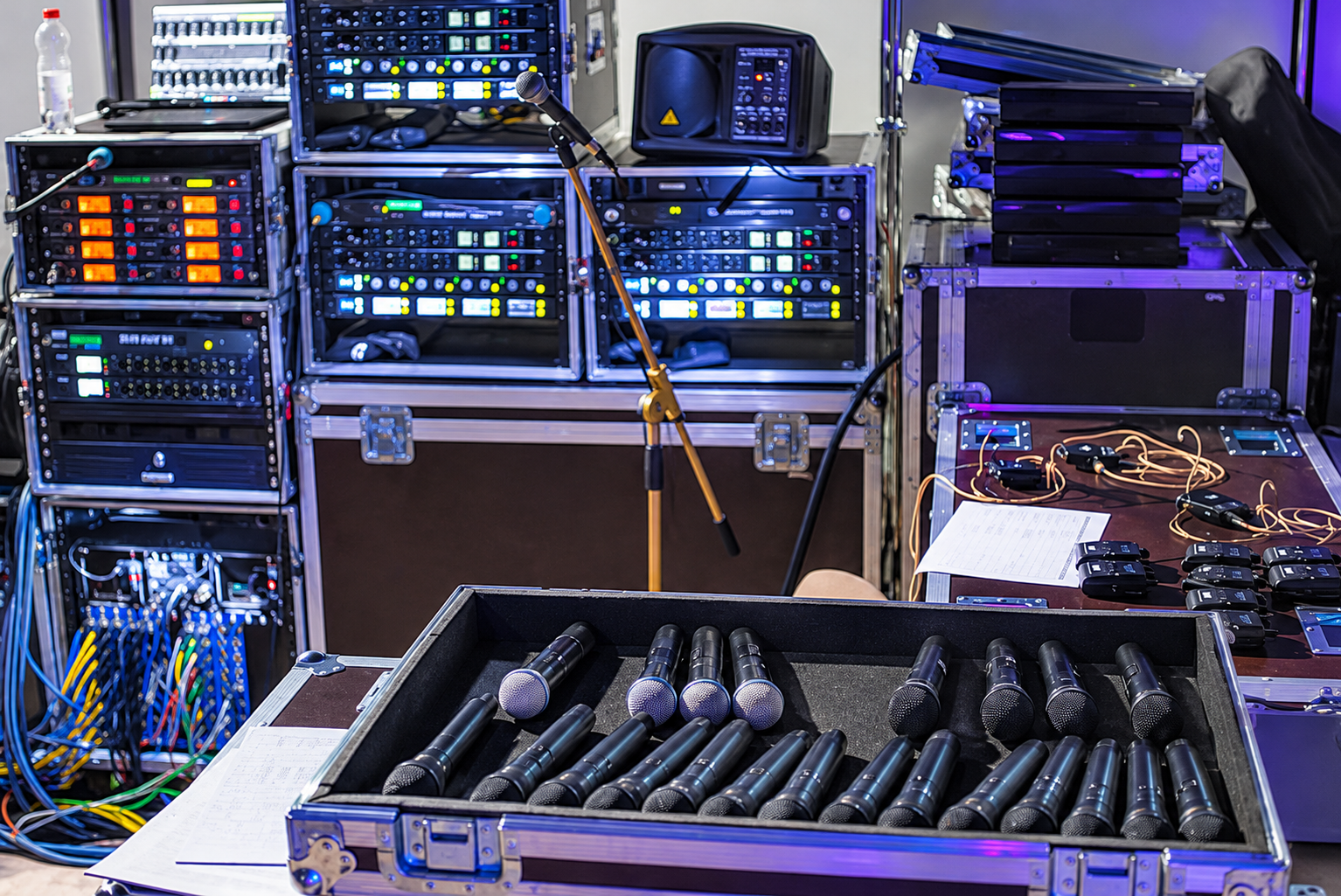
A professional audio setup involves more than supplying microphones. Receivers, mixers, speakers, cables, and other equipment must work together correctly.
Having experienced technicians available can help organisers manage sound checks, microphone changes and unexpected technical requirements.
How Does Microphone Hire Work With Other AV Equipment?
Microphones are only one part of an event's audio visual setup. Their performance depends on how they connect with the wider sound system.
For example, microphones need compatible receivers and suitable audio inputs. The signal is then managed through a mixer and sent to speakers positioned around the venue.
A complete setup may include:
Wireless microphones and receivers.
Professional PA speakers.
Digital or analogue audio mixers.
Microphone stands and accessories.
Suitable cabling and connections.
Technical support for setup and operation.
For larger events, the audio system may also need to work alongside projectors, LED displays, staging and lighting.
Sublime Audio Visual provides a range of equipment and event production services to help organisers coordinate these requirements. Its services include delivery, installation and collection, with sound, vision and lighting technicians available to support event operations.
Why Is Professional Audio Planning Important for Conferences?
Conferences often involve several presentation styles within the same programme. A keynote address may be followed by a panel discussion, audience questions, and a video presentation.
Each activity can have different audio requirements.
Professional planning helps ensure that the correct equipment is available for every session. It also allows organisers to consider microphone changes, speaker positions, and sound levels before the conference begins.
When arranging conference AV hire, consider the complete technical requirements rather than selecting microphones separately.
A coordinated setup may include:
Handheld microphones for hosts and audience questions.
Lapel microphones for keynote presenters.
Headset microphones for active demonstrations.
PA speakers for clear sound coverage.
Audio mixers for controlling microphone levels.
Screens and projectors for presentation content.
A sound check before the event is equally important. Speakers should test their microphones, confirm suitable volume levels, and become familiar with switching equipment on and off.
This preparation can reduce interruptions and help presenters feel confident when addressing the audience.
Choose the Right Microphone Setup with Sublime Audio Visual
Selecting the right microphone can make a noticeable difference to how an event sounds and feels. Handheld microphones provide flexibility for speeches and audience participation; lapel microphones offer a discreet hands-free option, and headset microphones suit presenters who need consistent audio while moving around.
The best choice depends on your speakers, venue, audience, and event format. Planning these requirements in advance helps create a reliable audio setup and reduces unnecessary technical interruptions.
We provide professional audio-visual equipment hire for corporate events, conferences, presentations, weddings and private functions. Our range includes wireless handheld, lapel and headset microphones, along with PA systems, mixers and other event equipment. Contact us to discuss your upcoming event and find the right microphone and audio setup for your requirements.
Frequently Asked Questions
-
Sublime Audio Visual provides professional microphone and AV equipment hire in Brisbane for conferences, presentations and corporate events.
-
Handheld, lapel, and headset microphones are suitable. The right choice depends on the speaker's presentation style and event format.
-
Yes, we offer audio equipment options to support different presentation styles and event requirements.
-
Yes. Wireless microphones can connect to compatible receivers, mixers, and PA speakers for clear audio during conferences and presentations.
-
You can contact us for microphone hire, equipment setup, and technical support for your upcoming event.