
How LED TV Installation Works at Events
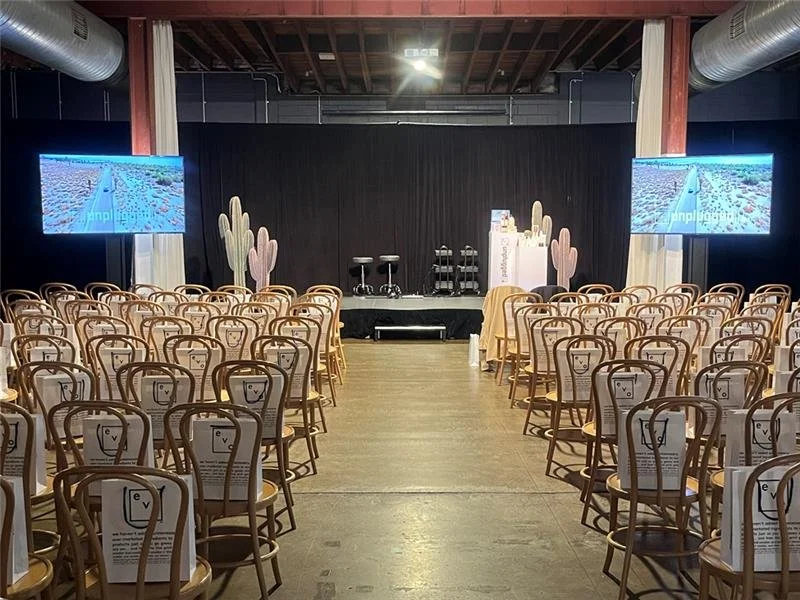
Sublime Audio Visual works with event organisers across Queensland to deliver structured and technically sound display solutions for conferences, exhibitions, private functions, and corporate gatherings. Understanding how LED TV installation works helps planners make informed decisions about placement, power, safety, and integration with other event systems.
Whether you are considering led tv hire brisbane, organising tv hire for events, or planning a structured Corporate TV hire solution, this guide explains what happens before, during, and after installation.
Why LED TVs Are Used at Events
LED TVs are widely used at events because they provide sharp resolution, consistent brightness, and flexible positioning options. They are suitable for indoor venues, breakout rooms, exhibition booths, and registration areas.
Compared to projection systems, LED TVs:
Deliver clearer images in well-lit rooms
Require less space for setup
Offer consistent brightness across viewing angles
Are easier to scale for multiple rooms
For organisers researching tv hire Brisbane, LED screens are often selected for smaller to mid-sized audiences where clarity and compact design are priorities.
When LED TV Hire Is the Right Choice
Not every event requires a large LED video wall. LED TVs are typically chosen when:
Audience sizes are under 200 people
The venue has strong ambient lighting
Space is limited
Content is presentation-based
Quick installation and pack-down are required
For product launches, trade shows, training seminars, and hybrid meetings, led tv screen hire for events offers practical visual support without the complexity of larger staging builds.
In larger venues, organisers may combine tv hire for events with bigger display formats such as video walls. For example, a main stage may use larger display systems while breakout rooms rely on TV units. In those cases, solutions like led video screen hire can be integrated where higher scale visual impact is required.
Step 1: Pre-Event Consultation and Technical Planning
The installation process begins well before event day. A structured consultation identifies:
Venue dimensions
Ceiling height
Power availability
Audience seating layout
Viewing distances
Content format and resolution
For those arranging led tv hire Brisbane, technicians assess whether wall mounting, truss mounting, or freestanding stands are most appropriate.
Site Inspection
In larger venues, a site visit may be conducted. Technicians confirm:
Access points
Lift availability
Loading dock restrictions
Bump-in and bump-out times
Safety compliance requirements
This ensures the installation plan aligns with venue policies and event schedules.
Step 2: Equipment Selection
Selecting the correct screen size is essential. LED TVs typically range from 55 inches to 98 inches depending on audience size and viewing distance.
Screen Size Considerations
A general guideline is:
55–65 inch screens for small meeting rooms
75–85 inch screens for medium conference spaces
Larger displays for exhibition booths or presentation stages
Organisers booking Corporate TV hire often require multiple identical units to maintain visual consistency across rooms.
In addition to the screen itself, technicians prepare:
Mounting hardware
Safety-rated stands
HDMI and SDI cables
Backup cables
Signal converters
Power distribution equipment
Where speech support is needed, systems such as pa microphone hire may be integrated to ensure audio clarity alongside visual display.
Step 3: Safe Transportation and Handling
LED TVs are delicate electronic devices. They are transported in protective flight cases designed to prevent screen damage.
On arrival at the venue, technicians:
Inspect equipment
Confirm screen integrity
Check input ports
Verify firmware compatibility
Careful handling is critical. Professional teams avoid tilting large screens at unsafe angles and ensure safe lifting techniques are followed.
For event planners comparing tv hire Brisbane options, safe logistics management is an important factor in service quality.
Step 4: Physical Installation
Installation varies depending on configuration.
Freestanding Installation
This is the most common setup for tv hire events. It includes:
Weighted base plates
Adjustable height stands
Cable management systems
Rear stabilisation support
Screens are positioned to optimise sightlines while maintaining safe walkways.
Wall or Truss Mounting
In staged events, TVs may be integrated into:
Exhibition structures
Stage backdrops
Truss systems
Technicians ensure:
Load rating compliance
Secure locking mechanisms
Structural stability
Safety checks are conducted before the system is powered on.
Step 5: Power and Signal Configuration
Once physically installed, technicians connect:
Power cables
Surge protection
Signal inputs
Audio outputs if required
Signal Testing
They test:
HDMI compatibility
Resolution settings
Aspect ratio
Refresh rate
Input switching
For led tv screen hire for events, ensuring correct resolution prevents stretched slides or cropped video content.
If multiple screens are used, signal distribution systems may be installed to synchronise playback across all displays.
Step 6: Content Verification
Before guests arrive, technicians conduct full content checks.
They verify:
Slide transitions
Video playback quality
Embedded media functionality
Font rendering
Playback timing
Presenters are invited to rehearse briefly. This step reduces last-minute compatibility issues.
For corporate environments, Corporate TV hire setups often include backup laptops or duplicate playback systems in case of device failure.

Step 7: Live Event Monitoring
During the event, technicians monitor performance in real time.
They:
Adjust brightness if lighting changes
Switch inputs between speakers
Manage playback timing
Respond to technical interruptions
While LED TVs are generally reliable, having professional oversight ensures smooth transitions and minimal disruption.
For hybrid events, screens may also display:
Live streaming feeds
Audience polling results
Video conferencing participants
Technicians ensure synchronisation across systems.
Step 8: Integration with Broader AV Systems
LED TV installation rarely operates in isolation. It often integrates with:
Sound systems
Lighting setups
Live streaming platforms
Video recording systems
In some events, LED TVs supplement larger display systems like those used in led video screen hire configurations.
Clear coordination between display and audio teams ensures that visual cues align with microphone usage and presentation timing.
Step 9: Safety and Compliance
Safety remains a priority throughout the installation process.
Technicians:
Tape down exposed cables
Use cable ramps where required
Confirm electrical load limits
Secure stands with stabilisers
Conduct final stability checks
Event venues often require documentation confirming compliance. Professional teams are familiar with these procedures.
When researching led tv hire Brisbane, understanding safety practices is as important as image quality.
Step 10: Pack Down and Equipment Inspection
After the event concludes, technicians:
Power down systems
Disconnect cables systematically
Inspect equipment for damage
Repack screens in protective cases
Complete inventory checks
Efficient pack-down ensures venues are cleared within allocated timeframes and equipment remains in good condition for future use.
LED TV Installation Workflow Overview
| Stage | What Happens | Why It Matters |
| Consultation | Venue and content assessment | Ensures correct equipment choice |
| Equipment Selection | Screen size and mounting plan | Optimises visibility and safety |
| Transport | Protective handling | Prevents damage |
| Installation | Stand or mount setup | Ensures structural stability |
| Signal Setup | Cable and resolution testing | Maintains image clarity |
| Live Monitoring | Real-time adjustments | Prevents disruptions |
| Pack Down | Safe dismantling | Protects equipment and venue |
Structuring LED TV Installation for Event Success
Effective installation involves planning, safety compliance, technical testing, and live monitoring. It is not limited to placing a screen in a room. Each step ensures visual clarity, operational stability, and audience engagement.
For organisers planning Corporate TV hire or evaluating tv hire Brisbane, understanding the installation process allows better coordination with venue teams and presenters.
Conclusion
LED TV installation at events follows a structured technical process that begins with consultation and continues through safe pack-down. From equipment selection to signal testing and live monitoring, each stage contributes to reliable visual performance.
Sublime Audio Visual provides structured display solutions tailored to event environments across Queensland. If you are planning an upcoming conference, seminar, or corporate function, you can discuss your requirements through the contact page to determine the most appropriate setup for your event.
For further event planning insights, explore the blog section for practical guides and technical information related to display and sound systems.
Common Questions About TV Hire for Events
-
For corporate and conference events, booking tv hire for events at least two to four weeks in advance is recommended. Larger events or peak seasons may require earlier planning to secure equipment availability.
-
Screen size depends on audience distance. A 75 to 85 inch display suits medium-sized rooms, while larger venues may require multiple screens or integrated display systems.
-
Outdoor use depends on weather conditions and equipment specifications. Additional weather protection and power considerations may be required.
-
Professional providers offering led tv hire brisbane typically include on-site technical monitoring to manage playback and troubleshoot issues.
-
Yes. Signal switchers allow technicians to alternate between devices smoothly, ensuring seamless presenter transitions.